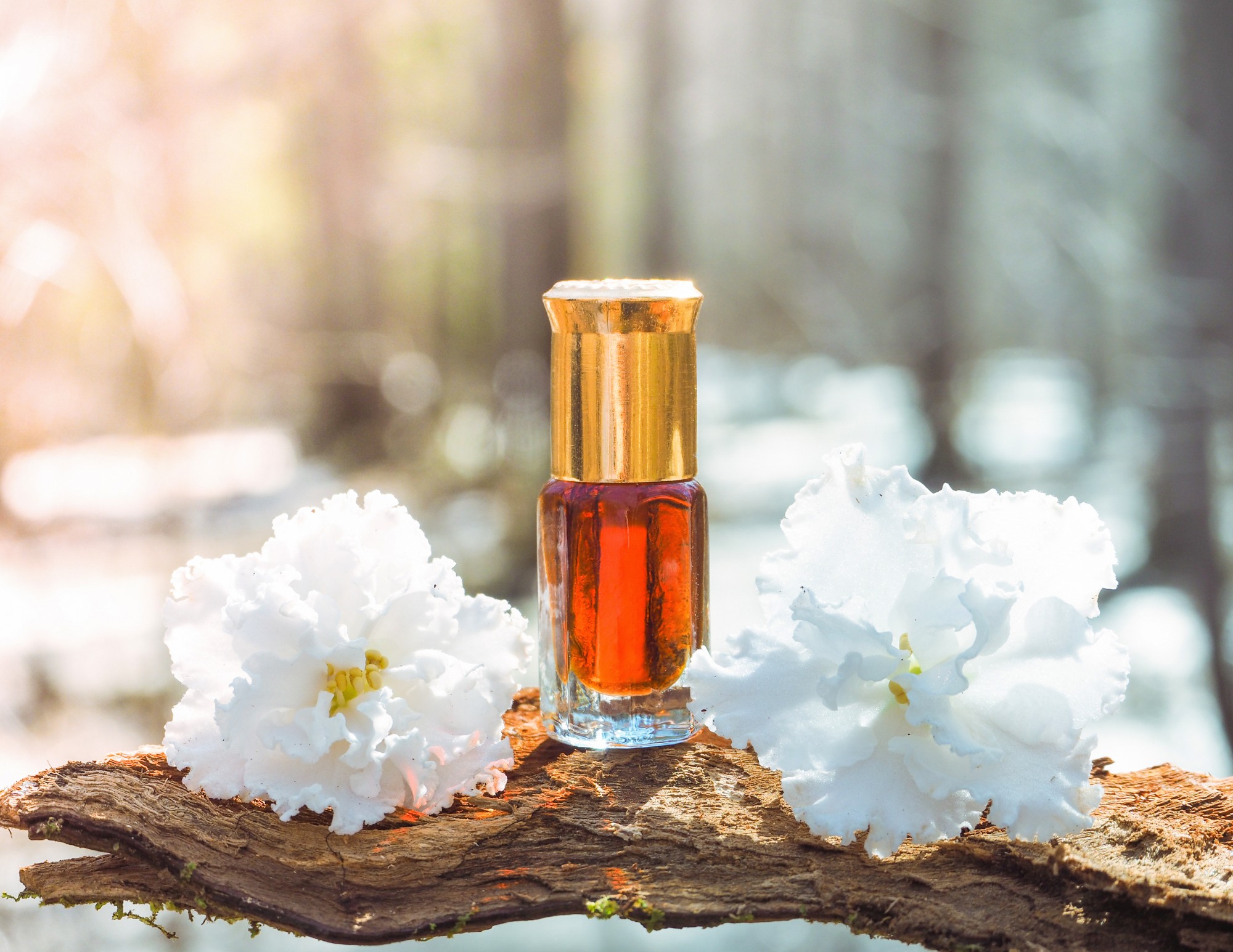
Your manufacturer decides how your perfume smells, how consistent every batch is, and how fast you can grow. Pick well and you gain a long term partner. Pick badly and you lose months and money. Here is a clear, practical way to choose.
India has a large and growing perfume industry, with manufacturers ranging from small attar workshops to modern GMP certified factories. That choice is good news, but it also makes the decision harder. Many suppliers look similar on a website, so you need a simple method to compare them fairly.
In this article
Key takeaways
- Certifications such as ISO 9001 and GMP show a factory follows documented quality systems.
- Always test samples before placing a bulk order, and test them more than once.
- Clear pricing, minimum order terms and timelines should be in writing.
- A good manufacturer protects your formulas and never competes with your brand.
1. Check certifications and compliance
Start with the paperwork. A reliable perfume manufacturer should be able to show you valid certificates without any fuss. The most common ones are ISO 9001:2015, which covers quality management, and GMP, which covers hygiene, process control and record keeping in cosmetic production.
Do not stop at the logo on the website. Ask for the certificate number, the issuing body and the expiry date. A certificate that expired last year tells you something about how the company treats its systems. Also ask whether they can provide a Certificate of Analysis (COA) and a Material Safety Data Sheet (MSDS) for each product. These documents matter even more if you plan to export, because overseas buyers and customs offices often ask for them.
2. Understand their manufacturing capabilities
Not every manufacturer does everything. Some only blend fragrance oils. Others fill bottles, attach pumps, apply labels and pack cartons. Before you talk price, be clear about what you need done under one roof.
Ask what product types they make regularly. A factory that produces spray perfumes every week will handle your order more smoothly than one that tried it once last year. Ask about monthly capacity too, so you know they can keep up when your orders grow. If possible, visit the facility or request a video walkthrough. Clean floors, labelled raw materials and organised storage are good signs. Clutter and unmarked containers are warning signs.
A good factory is happy to show you how it works. A weak one changes the subject.
3. Ask about formulation and customization
If you want a scent that no one else sells, you need a manufacturer with in-house perfumers. Ask who creates the formulas, how long development usually takes, and how many revisions are included. Some companies offer only ready made fragrances from a fixed catalogue. That is fine for a quick launch, but it limits how unique your brand can become.
Be ready to share a brief. Good briefs include the scent family you like (woody, floral, fresh, oriental), a few reference perfumes, your target price per bottle and the type of customer you want to reach. The more clearly you describe your idea, the closer the first sample will be. A skilled team will also tell you honestly when a request is unrealistic for your budget, which saves everyone time.
4. Compare minimum orders and pricing
Minimum order quantities vary widely. Some manufacturers ask for thousands of units, while others accept smaller first batches so new brands can test the market. Neither approach is wrong, but you should know the number before you commit.
When you compare quotes, make sure you are comparing the same things. One quote may include the bottle, cap, box and label, while another covers only the liquid. Ask for a line by line breakdown so hidden costs do not surprise you later. Also ask how prices change with volume. A fair manufacturer explains why a larger order lowers the cost per unit instead of simply offering a vague discount.
- What is the minimum order for each product type?
- What is included in the quoted price?
- How much advance payment is required?
- What are the payment terms for repeat orders?
5. Test samples properly
A sample is your best look at what you will actually receive. Order samples from at least two or three manufacturers and test them the same way. Spray each on skin, wait an hour, then check again after four hours and again at the end of the day. Fragrance changes as it dries, and the last stage, the base, is what people remember.
Pay attention to strength, longevity and how the scent feels on different skin types. Ask friends or potential customers to try it as well. Once you approve a sample, ask the manufacturer to keep a reference copy, so future batches can be compared against it. Consistency from batch to batch is one of the clearest signs of a good manufacturer.
6. Look at packaging and labelling support
Customers judge a perfume by its bottle long before they smell it. If you are new to the industry, packaging advice can be just as valuable as the fragrance itself. A helpful manufacturer can suggest bottle shapes, caps, pumps and boxes that suit your budget and your brand style.
Ask whether they support label design guidance and whether they know the labelling rules for cosmetics in India, such as ingredient details, batch numbers and manufacturing information. If you plan to sell abroad, ask about export labelling needs as well. Getting this right early prevents expensive reprinting later.
7. Protect your formulas and your brand
Your formula is a business asset. Before you share your brief, ask how the manufacturer protects client information. Many reputable companies sign a non-disclosure agreement (NDA) and agree that your custom formulation will not be sold to anyone else.
It also helps to choose a pure B2B manufacturer, meaning one that does not sell its own consumer perfumes. A supplier with no retail brand has no reason to compete with you, so your customers, your scents and your pricing stay yours.
8. Judge communication and delivery
Pay attention to how the team behaves during the enquiry stage, because it is usually a preview of the working relationship. Do they reply on time? Do they answer your actual questions, or send a generic brochure? Do they explain timelines clearly?
Ask for realistic lead times for samples, production and dispatch, and ask what happens if a delay occurs. A dependable manufacturer will give you honest dates and update you if anything changes. Also confirm how they pack and ship, since perfume is a sensitive product that needs careful handling during transport.
A simple checklist before you decide
- Valid ISO and GMP certificates, with COA and MSDS available
- Clear minimum order quantities and written pricing
- In-house perfumers and a defined sample process
- Packaging and labelling guidance
- Confidentiality for your formulas
- Honest timelines and responsive communication
Final thoughts
The right perfume manufacturer is not always the cheapest or the biggest. It is the one that matches your goals, communicates openly, delivers consistent quality and treats your brand as its own responsibility. Take your time, compare at least a few options, and test everything in real conditions. A careful choice at the start saves you from costly problems later and gives your brand a strong foundation.